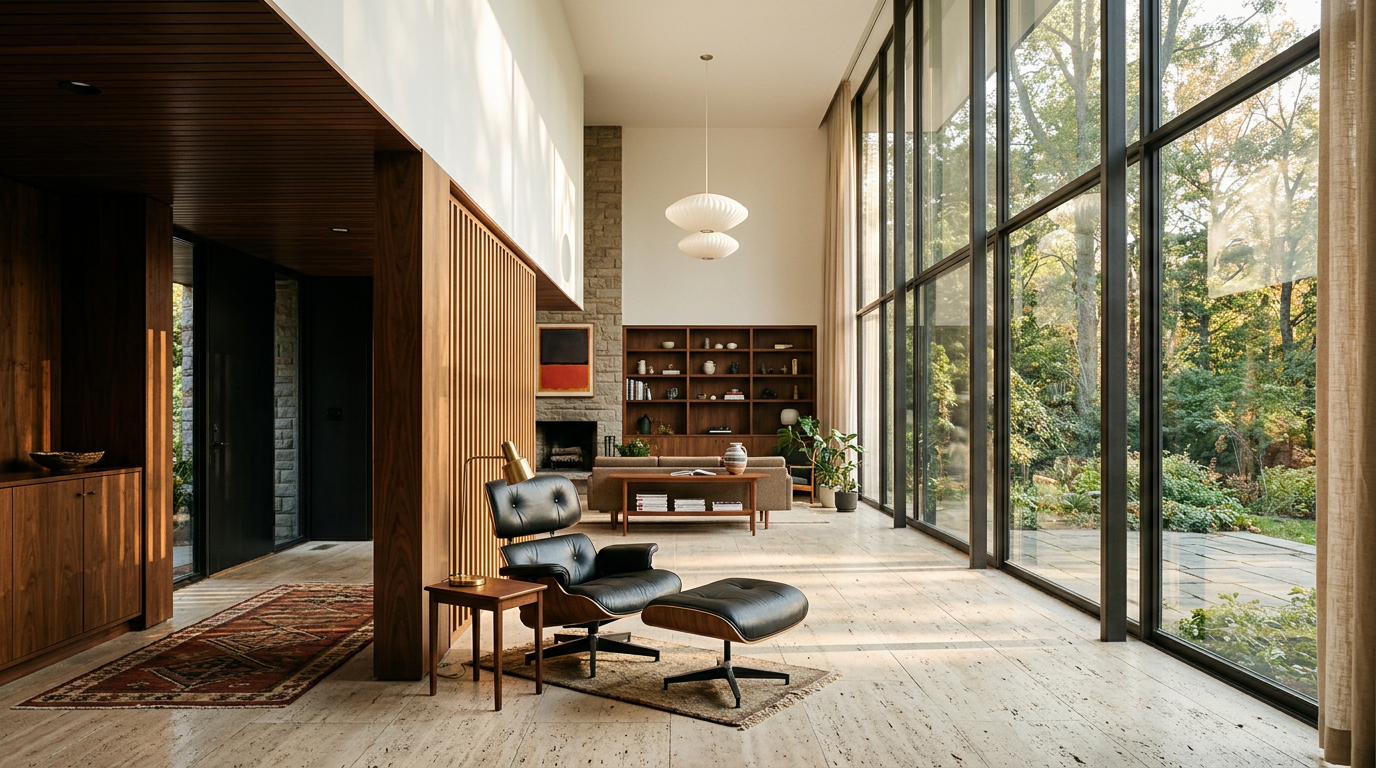
In the lexicon of residential design, the obsession with open floor plans has frequently led to a flattening of the domestic experience. Architects have spent decades prioritizing horizontal expansion, often at the expense of the visceral, human-scale response to volume. However, a more sophisticated approach to the home lies in the deliberate manipulation of verticality. By varying the height of a ceiling, a designer does more than merely enclose a space. They orchestrate a sensory journey that relies on the principles of atmospheric compression and release.
The concept begins with the threshold. When an individual moves from a compressed, low-ceilinged corridor into a grand, double-height living volume, the physiological effect is immediate. This is not simply a matter of scale. It is a calculated expansion of the spirit. The sudden vertical thrust forces the eye upward, engaging the architecture as a three-dimensional entity rather than a two-dimensional stage. Strategic compression acts as a pressure valve for the domestic psyche, creating a sensation of relief when the ceiling plane eventually pulls away to reveal the volume above.
Materiality plays a vital role in this vertical dialogue. In areas of high compression, such as entry foyers or circulation galleries, the use of dense, absorbent materials like dark-stained walnut or textured lime plaster can emphasize the feeling of containment. These surfaces invite touch and encourage a slower, more deliberate gait. Conversely, as the volume expands into the primary living zones, the materials must evolve. Light-reflecting finishes, such as polished stone floors or pale, matte-painted surfaces, serve to amplify the newfound vertical freedom. The interplay between the dark, intimate zones and the soaring, luminous volumes creates a rhythm that defines the home as a sequence of experiences rather than a singular, static container.
One must consider the structural integrity required to support such dramatic shifts. Exposed timber beams, intentionally left raw to show the mechanics of the build, provide a visual anchor in the highest rooms. These elements serve as a reminder of the craft involved in elevating a roofline. When a ceiling soars, it risks feeling disconnected from the living plane unless there is a bridge between the two. Lighting is the primary tool for this connection. By integrating low-level task lighting or wall-mounted sconces within the vertical expanse, one can define the human-scale zone, preventing the upper reaches of the room from feeling cold or unapproachable. The light acts as a tether, pulling the grandeur of the architecture down to the level where life actually unfolds.
The orientation of windows further dictates the success of these volumetric shifts. In a compressed space, a horizontal window ribbon can frame a specific view of the garden, anchoring the occupant to the landscape. In the vertical volume, however, the eye seeks the sky. Clerestory windows or full-height glass installations transform the ceiling into a canvas for changing light patterns. As the sun tracks across the sky, the vertical walls become instruments for measuring time, with shadows stretching and retreating in response to the architectural geometry. This is the ultimate luxury of space: the ability of a room to change its character based on the position of the sun.
Designing for verticality requires a departure from the generic. It demands a willingness to sacrifice floor area for the sake of height, a trade-off that many prioritize incorrectly. A home that understands the power of volume does not need an endless footprint. Instead, it relies on the intensity of the experience. By respecting the transition from the intimate to the monumental, the home becomes a sanctuary that is as emotionally resonant as it is visually striking. True architectural significance is found in the gaps between the floors. It is in the tension, the transition, and the sudden, breathless upward gaze that we find the essence of living well.