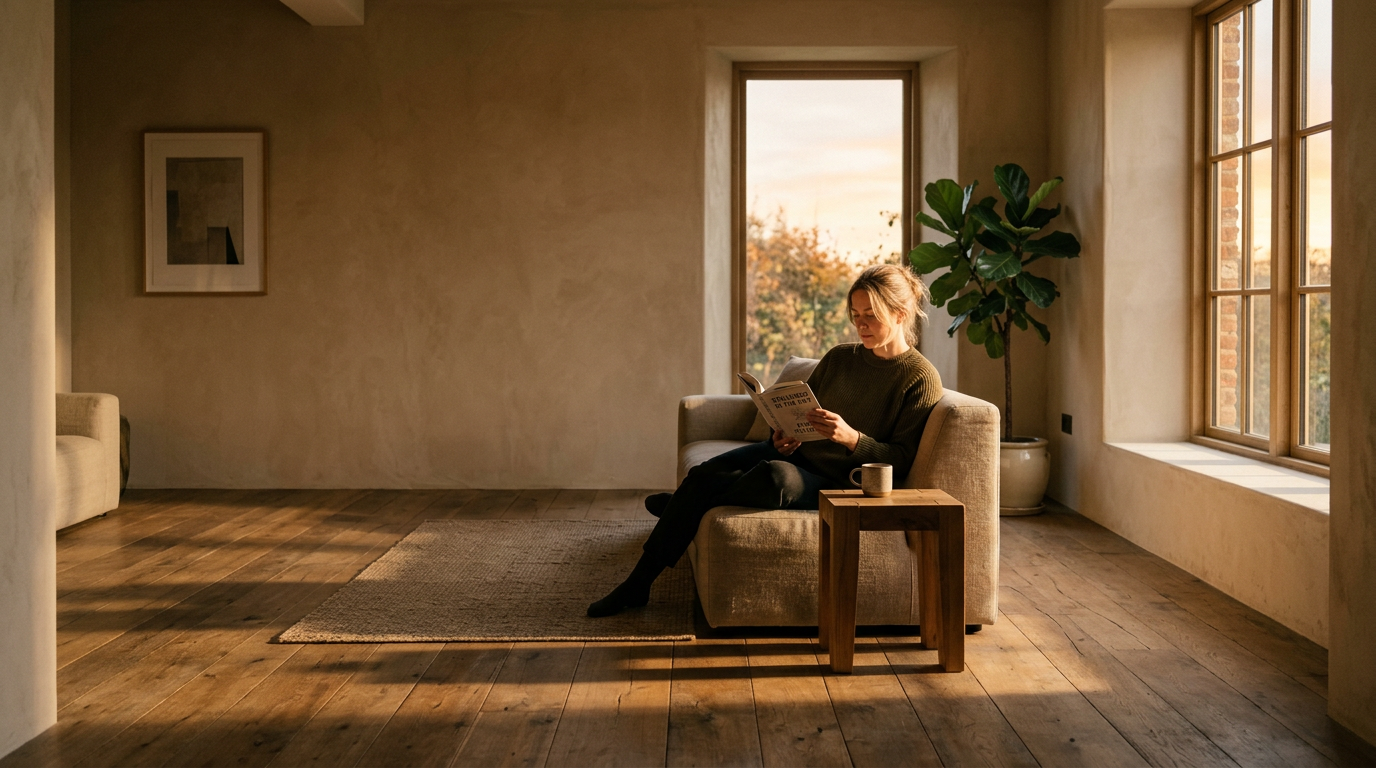
Architecture is frequently reduced to the static arrangement of walls and floor plates, yet the most profound homes operate as living, breathing chronometers. This approach to design, which we might call circadian architecture, moves beyond the mere inclusion of windows to treat sunlight as a primary structural element. In these environments, the building does not simply house its inhabitants, it actively participates in the celestial cycle of the day, dictating the mood, rhythm, and vitality of the domestic interior through a sophisticated manipulation of orientation and aperture.
The significance of this design philosophy lies in its rejection of the hermetically sealed box. Modern construction often prioritizes climate control through thermal isolation, a practice that risks severing the connection between the inhabitant and the natural world. Instead, the architect of a truly significant residence understands that light is a dynamic medium. By strategically placing apertures to capture the low, golden light of the dawn or the diffused, cool illumination of a northern exposure, the architect creates a house that feels fundamentally different at four in the afternoon than it does at nine in the morning. This is not about efficiency, but about the synchronization of the human pulse with the environment.
Consider the role of the circulation path in this context. Rather than utilizing hallways as mere conduits, the masterful home uses them as optical devices. A corridor might be oriented to terminate in a sliver of light that tracks across a textured wall, serving as a visual clock. As the sun moves, the shadow patterns shift, turning a mundane walk through the house into a meditative observation of time. This requires a deep understanding of the site, as the placement of massing must account for the seasonal arc of the sun, ensuring that the living spaces are neither scorched in the peak of summer nor starved of warmth during the winter months.
Material selection becomes a critical component in this light-driven choreography. Surfaces that absorb light, such as matte plaster or raw timber, offer a different experience than those that reflect it, such as polished concrete or glass. The interplay between these materials and the shifting quality of light defines the atmosphere of the room. A space clad in light-absorbing materials can feel intimate and protective during the overcast hours of the day, whereas a surface that interacts with direct sunlight can transform a room into a vibrant, energized space. The choice of finish is therefore a tool for tempering the intensity of the solar input, allowing the home to adjust its character in real time.
Furthermore, the architecture of light demands a nuanced approach to depth. Deep soffits or recessed openings act as brise-soleil, shielding the interior from harsh glare while inviting ambient illumination to wash over the interior planes. This spatial depth creates a gradation of shadow that prevents the interior from feeling flat. When the light is allowed to filter through these deliberate layers, it gains a sculptural quality, defining the volume of the room through the contrast of bright highlights and soft, penumbral zones. This is where the house transcends its utilitarian purpose, becoming a gallery for the shifting colors of the sky.
To design for the circadian rhythm is to acknowledge that a home is a place of transit as much as it is a place of rest. A bedroom should be calibrated for the soft, indirect light of the morning, while the social areas of the home benefit from the long, horizontal rays of the late afternoon. When an architect achieves this balance, the home feels inherently right, a sensation that is difficult to articulate but immediately felt by those who inhabit it. This is the hallmark of thoughtful design: the ability to make the inhabitant feel grounded in time and place, rather than adrift in a sterile, unchanging void. By embracing the inevitable march of the sun, we allow our homes to move beyond the static, becoming instead a testament to the beauty of the passing day.