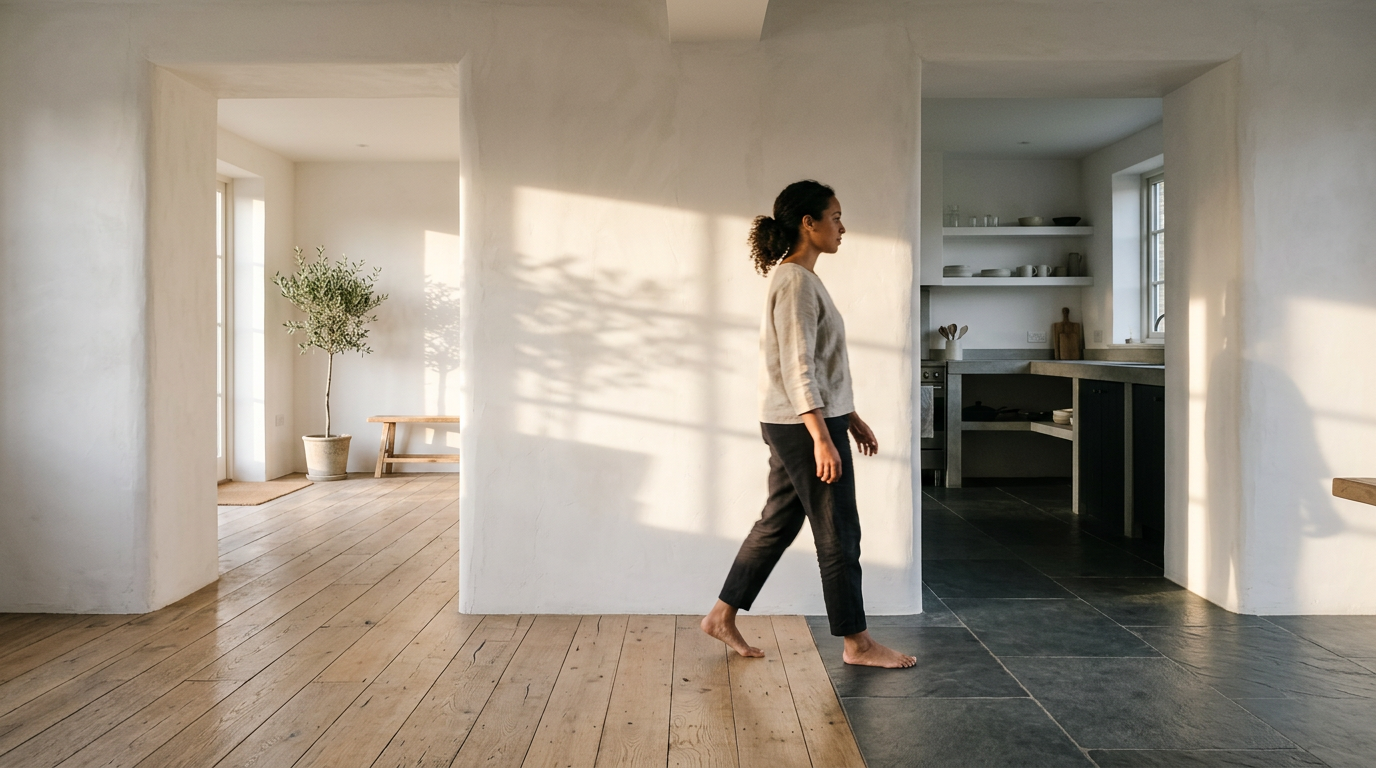
Architecture is frequently misunderstood as a static collection of volumes. We often categorize homes by their primary functions: the sleeping quarters, the culinary laboratory, or the social theater of the living room. Yet, the true intelligence of a residential plan resides in the interstices, the connective tissue where one spatial experience dissolves into the next. This is the art of the threshold, a critical architectural device that dictates the rhythm, pace, and psychological transition of human inhabitancy. When a home is designed with a profound sensitivity to these junctures, it ceases to be a mere container for life and becomes a scripted narrative of movement.
A threshold is far more than a simple doorway or a structural transition between rooms. It is a moment of hesitation, an opportunity for the inhabitant to recalibrate their senses. In the most significant residential works, the architect treats the transition from a compressed, low-ceilinged gallery to a soaring, light-filled atrium as a deliberate act of choreography. This expansion of volume functions as a spatial punctuation mark, forcing a physical reaction from the occupant. By manipulating the scale of these transitional zones, designers can effectively command the tempo of daily existence, slowing a frantic pace through deliberate constriction or inviting expansion through sudden release.
The psychology of circulation is rooted in the anticipation of the next space. Consider the corridor, which is often dismissed as a utilitarian necessity. When treated with the same rigor as a primary living space, the hallway becomes a vessel for discovery. The use of a subtle shift in floor material, perhaps moving from the warmth of end-grain oak to the cool, grounding resonance of honed limestone, signals to the body that a shift in function is imminent. This sensory cue allows the mind to prepare for a change in activity, whether that is the move from the public sphere of the foyer to the introspective quiet of a library, or the transition from the communal kitchen to the private sanctuary of a bedroom wing.
Beyond the floor plane, the verticality of these junctions offers endless potential for engagement. A well-considered threshold might incorporate a change in ceiling height, a sudden compression that creates a sense of intimacy before opening into a space of grand proportions. These vertical shifts act as invisible guides, directing the gaze and dictating the flow of natural illumination. Light serves as the primary material for defining these zones. By allowing a sliver of light to wash down a transitional wall, the architect highlights the boundary as a destination in itself rather than a mere means to an end.
Furthermore, the integration of sightlines is essential to the success of a home’s transition. A threshold should never be a blind corner unless that occlusion is intentional. By framing the view of a distant garden or a fireplace through a narrow opening, the architect creates a telescopic effect that lures the inhabitant forward. This interplay of visibility and concealment transforms the house into a series of unfolding tableaux. The inhabitant is not merely walking through a floor plan, but participating in a sequence of revelations that honor the dignity of their movement.
The craft of building these transitions requires a high level of technical precision. The intersection of different materials at a doorway, for example, must be seamless. When the joinery is executed with absolute precision, the boundary disappears, leaving only the experience of the space itself. This level of detail elevates a home from a collection of rooms into a cohesive organism. It acknowledges that the human body is the true measure of architectural space. By centering the design process on the act of transition, one ensures that the home remains eternally responsive to the needs of its occupants, regardless of shifting trends. Ultimately, the way we move through our homes defines how we live within them. A home that celebrates the threshold is a home that acknowledges the grace of the human journey, turning every step from the kitchen to the study into a purposeful, considered act of living.