In the lexicon of residential design, few materials possess the transformative capacity of architectural bronze. Unlike materials that seek to defy the elements, bronze invites them. It is a noble alloy of copper and tin that engages in a slow, deliberate dialogue with its environment. When specified for fenestration, hardware, or structural cladding, bronze acts as an active participant in the house, shedding its initial luster for a muted, variegated finish that speaks of permanence and gravitas. This is not a static material choice. It is a commitment to a life cycle that honors the natural process of oxidation.
The allure of bronze lies in its structural integrity paired with a soft, velvet-like hand. While steel commands space through clinical precision, bronze offers a warmer, more resonant presence. The material occupies a unique niche between the industrial and the artisanal. When extruded into thin, minimalist profiles for window frames, it provides a frame that does not simply hold glass but elevates the transition between interior and exterior. The way a bronze frame catches the low-angled light of a late afternoon sun reveals a depth of color that spans from deep chocolate to a vibrant, verdant verdigris. This chromatic shift is the material's signature, a visual record of the house breathing within its landscape.
Architects who favor bronze understand that the material should be allowed to weather without the interference of protective sealants. By choosing to let the metal darken and develop its patina, the designer embraces the concept of wabi-sabi in a Western architectural context. The patina is a protective layer, not a sign of decay. It shields the underlying metal from further environmental stress while adding a layer of historical weight to the facade. In a residential setting, this creates a sense of rootedness. A newly constructed home, detailed with bronze elements, avoids the jarring newness that often plagues contemporary projects. Instead, it arrives with a sense of established dignity, as if the structure has emerged from the earth already bearing the marks of time.
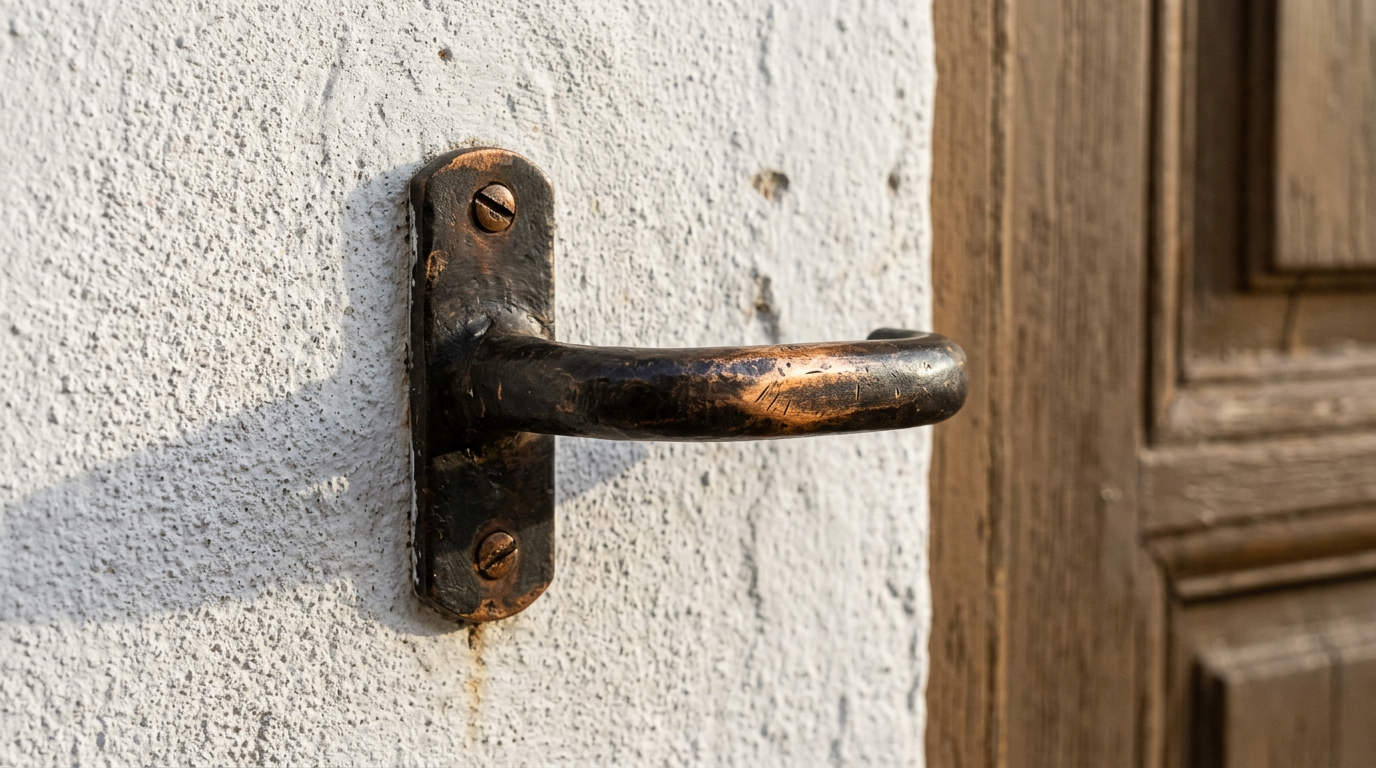
The tactile experience of bronze is equally significant. As a material for door handles, stair railings, or cabinetry pulls, it responds to the heat and oils of the human hand. Areas of frequent contact remain burnished and bright, creating a beautiful contrast against the darker, untouched surfaces. This creates a functional map of the home, where the movement of the inhabitants is subtly etched into the fabric of the building. The material becomes a tactile extension of the architecture itself. It bridges the gap between the monumental scale of the structural frame and the intimate, visceral moments of daily use. Whether cast in heavy, solid ingots or rolled into delicate sheets, the metal retains a density that feels inherently valuable, grounding the design in a tradition of craft that resists the ephemeral nature of modern building cycles.
When integrating bronze, the dialogue with other materials is paramount. It serves as a sublime foil for cool, neutral surfaces like limestone or matte plaster. The warmth of the copper content in the alloy vibrates against the coolness of white stone, creating a sophisticated tension that defines the character of a room. In spaces where light is filtered through deep-set bronze reveals, the interior is bathed in an amber glow, softening the geometry of the room and creating an atmosphere of sanctuary. The precision required to work with such a dense material demands a high level of craftsmanship, ensuring that joints are seamless and profiles are perfectly aligned.
Ultimately, the decision to incorporate architectural bronze is an investment in the long-term aesthetic narrative of a home. It is a material for those who view a residence not as a commodity, but as a vessel for experience. By choosing an alloy that thrives on exposure to the air, the salt of the sea, or the humidity of the forest, architects turn the building into a witness. The house becomes a record of the environment, a structural artifact that matures with grace. Bronze is the antithesis of the disposable. It is a testament to the idea that the most profound beauty in architecture is often found in the things that grow more beautiful as they age, deepening their character alongside the lives of those who dwell within them.