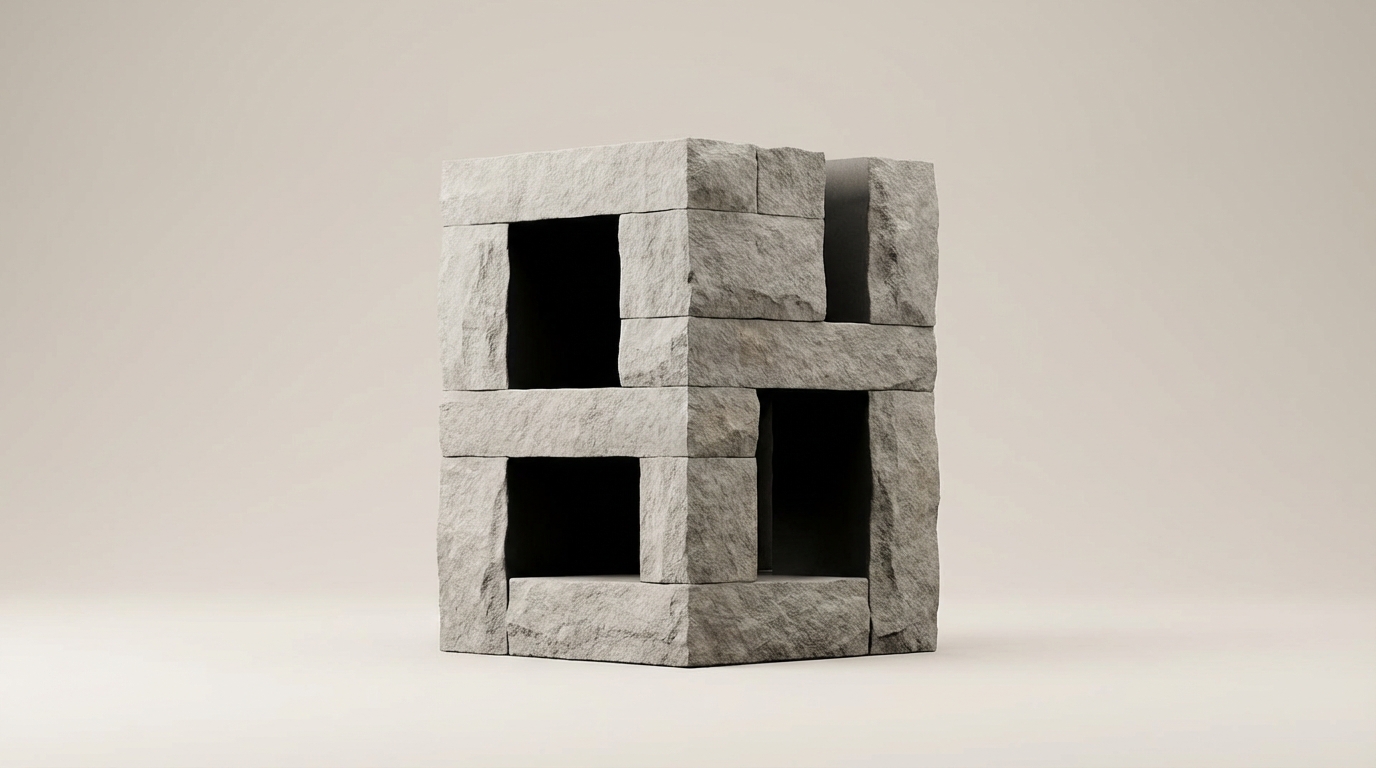
In the lexicon of residential design, the most enduring homes are not those that shout for attention through decorative excess or fleeting trends. Rather, they are the quiet, rigorous structures that treat architecture as a profound dialogue between the permanence of earth and the fleeting nature of light. To witness such a home is to observe a cultural artifact in its most distilled form, where every vertical plane and horizontal threshold serves a specific purpose in the choreography of daily life. When we analyze these exceptional spaces, we find that their power lies in the deliberate curation of the void as much as the solidity of the built form.
The craft of building relies on an intimate understanding of materials, specifically how they age and interact with the elements. We often see architects lean toward the raw honesty of board-formed concrete or the tactile warmth of reclaimed timber. These materials do not merely cover a frame; they define the atmosphere of the interior. Authentic materiality provides a sensory anchor for the inhabitant. When a stone wall transitions seamlessly from the exterior landscape into the living quarters, the boundary between the internal sanctuary and the external world begins to dissolve. This spatial continuity is the hallmark of sophisticated residential architecture, creating a narrative that respects the local topography rather than imposing an alien structure upon it.
Light is the ultimate architect of the interior experience. It is the medium through which volume is perceived and texture is brought to life. A masterfully designed home treats light as a physical element, guiding it through apertures that are strategically placed to capture the sun at its most transformative moments. Observe how a simple clerestory window can soften the harshness of a midday sun, turning a stark hallway into a canvas of shifting gradients. The interplay of light and shadow is the primary architect of human emotion within a space. By manipulating these variables, the designer provides a rhythmic cadence to the home, ensuring that the environment feels alive, breathing in concert with the passage of the day.
Spatial relationships are defined by the flow of movement and the intentional interruption of that flow. A home that is truly significant avoids the pitfalls of generic open plans that lack definition. Instead, it utilizes compression and expansion to dictate the pace of the occupant. Low ceilings in an entryway might force a moment of introspection before one steps into a soaring, double-height great room. This transition is not merely functional, it is psychological. It prepares the mind to transition from the public sphere to the private realm. This sensitivity to the human scale is what differentiates a house from a home, and a building from a piece of architecture.
We must also consider the dialogue between structure and landscape. Architecture should never be viewed as an isolated object, but rather as an extension of the land it occupies. The most successful dwellings acknowledge the site’s natural drainage patterns, the prevailing winds, and the existing flora. By sinking a floor plate into the earth or cantilevering a terrace over a steep grade, the architect demonstrates a humility that is increasingly rare. A residence should feel as though it grew from its site, rather than being dropped upon it. This integration requires a disciplined restraint, a refusal to over-program the landscape, and a commitment to preserving the integrity of the natural environment.
Ultimately, the value of an exceptional home lies in its ability to foster a deeper connection to the act of living. It challenges the inhabitant to exist with intention. When we strip away the artifice, we are left with the fundamental components of shelter: protection, warmth, and a framing of the horizon. The homes that we document as cultural artifacts are those that celebrate these fundamentals with unwavering clarity. They serve as a reminder that good design is a long-term investment in the quality of human perception. By favoring structural honesty over stylistic novelty, we ensure that these spaces remain relevant for generations, transcending the temporary nature of fashion to achieve the status of timeless, architectural art.