In the contemporary pursuit of seamless interiors and high-gloss perfection, the essential dialogue between raw material and human perception often retreats into the background. Yet, the most enduring residential works are those that embrace the unadorned truth of their components. This is the philosophy of material honesty: a commitment to allowing wood, steel, concrete, and clay to speak in their native tongues rather than forcing them into a mask of synthetic refinement. When a designer chooses to leave a beam exposed or permits the grain of white oak to dictate the flow of a room, they are doing more than decorating. They are anchoring the inhabitants in a tangible, honest reality.
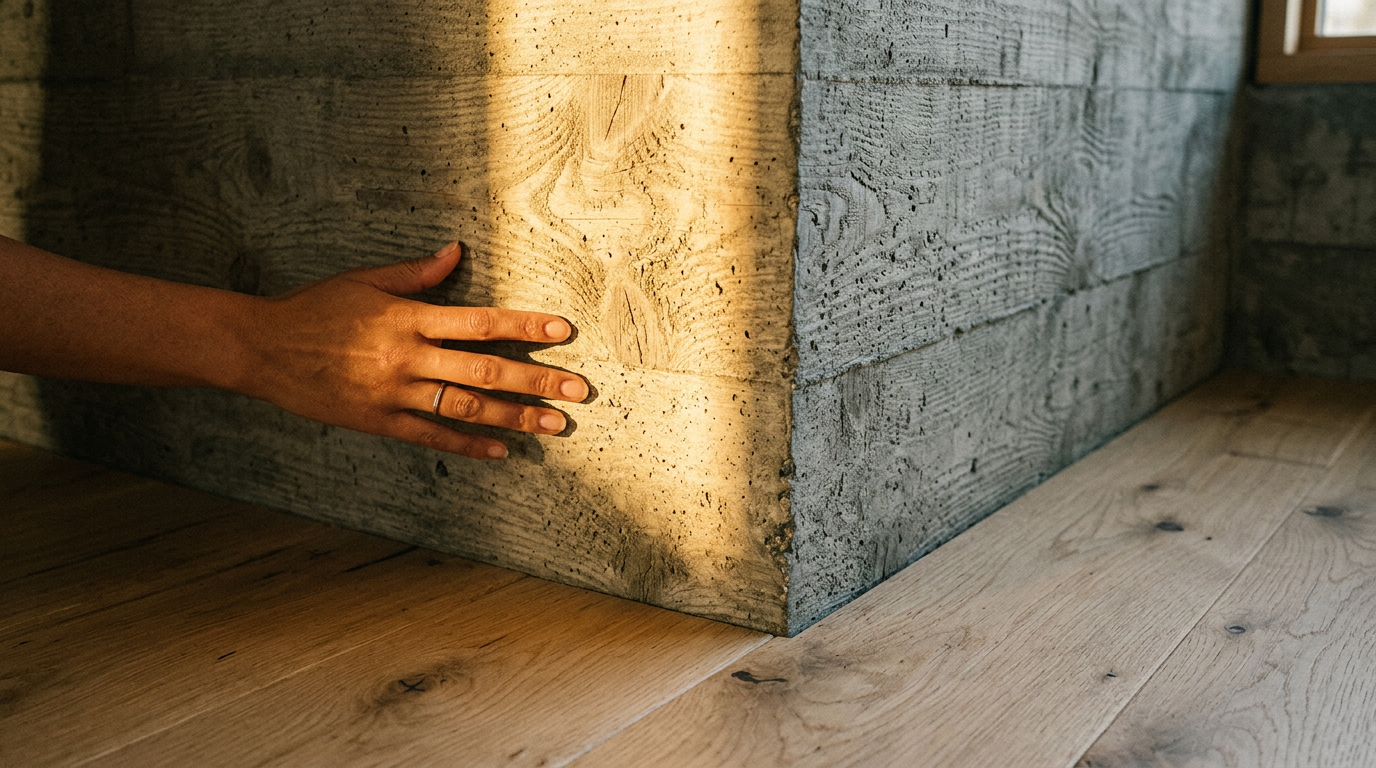
Consider the psychological resonance of raw, board-formed concrete. It is a material that records the history of its own creation, capturing the texture of the timber formwork in a permanent, stone-like state. This is not merely a surface treatment; it is a document of the labor and the process involved in the home’s assembly. When we touch such a wall, we are tracing the memory of the boards that once held it in place. This connection to the process of building creates a deep sense of psychological security, as the inhabitant is reminded of the physical weight and permanence of the shelter surrounding them.
The selection of materials should be treated as a curatorial exercise in texture and age. Just as a patina on bronze suggests a life lived, the natural oxidation of copper or the darkening of unfinished walnut provides a home with a sense of temporal depth. We must move away from the obsession with maintenance-free surfaces that resist the passage of time. A home that does not change, that does not bear the marks of its environment, is a home that remains perpetually stagnant. By choosing materials that respond to light, humidity, and touch, the architect invites the house to participate in the life of its residents.
Furthermore, the interplay of disparate textures serves to sharpen our sensory awareness. A polished basalt floor placed beneath a ceiling of rough-hewn cedar creates a tension that is both visual and haptic. The foot registers the cool, smooth density of the stone, while the eye travels upward to the organic, chaotic warmth of the timber. This contrast prevents the domestic environment from becoming monotonous. It forces a heightened state of observation where the inhabitant becomes acutely aware of their physical presence within the architecture. We are, after all, sensory beings, and a home that ignores this reality is a home that fails to nourish.
Structural integrity is the silent partner of aesthetic honesty. When we reveal the steel connections that hold a cantilever in space, we are celebrating the ingenuity of engineering rather than hiding it behind drywall. This transparency fosters a relationship of trust between the dwelling and the dweller. We no longer question how a space holds its form; we see the logic of its existence laid bare. This clarity of purpose removes the clutter of artifice, allowing the architecture to serve as a quiet, steady backdrop for the complexities of daily life.
Ultimately, the goal of the architect is to foster a sense of belonging through the language of the tangible. When we prioritize materials that age with dignity, we are making an investment in the longevity of our environments. A home should not be a static exhibit of pristine surfaces but a living, breathing entity that grows more articulate as the years pass. By respecting the inherent character of the materials we select, we ensure that the structure remains not just a container for living, but a profound participant in the human experience. We find beauty in the knot, the fissure, and the weather-worn edge, recognizing that these are not imperfections but the very evidence of a building that is truly alive.